What Are “Backlinks”? A Comprehensive Guide to Their Role, Quality, and Best‑Practice Management
Introduction
In the world of search‑engine optimisation (SEO), the term backlink appears in almost every strategy guide, audit report, and client brief. Yet, many marketers still treat backlinks as a simple count of “links pointing to our site,” without grasping why they matter, how search engines evaluate them, and what practices can actually boost rankings rather than jeopardise a domain’s reputation. This article unpacks the concept of backlinks, explains why quality outruns quantity, and offers a step‑by‑step framework for acquiring, analysing, and maintaining a healthy backlink profile.
1. Backlinks Defined
A backlink—also called an inbound link (IBL)—is a hyperlink on an external website that directs a visitor to a page on your domain. In effect, each backlink is a vote of confidence from one site to another.
- Source page – the page that contains the link.
- Target page – the page on your site that receives the link.
When a reputable site links to you, search‑engine crawlers interpret that endorsement as a signal that your content is trustworthy, relevant, and valuable to users.
2. Why Backlinks Matter for SEO
Search engines, especially Google, rely heavily on backlinks when determining authority and relevance:
| SEO Factor | How Backlinks Influence It |
|---|---|
| PageRank / Link Equity | Each link passes a portion of the linking page’s “link juice” to the target page. |
| Domain Authority | A larger pool of high‑quality backlinks raises the overall trust score of the whole domain. |
| Keyword Relevance | Links from content‑related sites reinforce the topical relevance of the target page. |
| Indexation Speed | New backlinks help crawlers discover and index fresh pages faster. |
Because of these effects, sites with a robust portfolio of quality backlinks often outrank competitors that merely have large numbers of low‑quality links.
3. Quantity vs. Quality: The Core Dichotomy
It is tempting to chase a high backlink count, but search engines have become sophisticated enough to differentiate worthwhile links from spammy ones. The key criteria are:
- Relevance – The linking site’s content should be topically related to yours.
- Authority – Links from domains with high trust metrics (e.g., editorial news sites, .edu/.gov domains) carry more weight.
- Placement – In‑content links placed within editorial copy are valued more than footers or sidebar link lists.
- Anchor Text – Descriptive anchor text that accurately reflects the target page’s subject helps clarify relevance.
A backlink from a reputable health‑blog to a medical‑information page is far more valuable than dozens of links from unrelated forums or link farms.
4. Understanding Relevance
When a search engine evaluates a backlink, it asks: “Is the linked content contextually aligned with the target?”
- Relevant Example: A page about “breast‑implant safety” linking from a reputable plastic‑surgery clinic’s website.
- Irrelevant Example: The same page receiving a link from a site about “German Shepherd training.”
Irrelevant links are often treated as low‑quality or even noise, diluting the overall signal sent to search engines. Over‑optimising with unrelated links can lead to ranking penalties.
5. Bad Practices to Avoid
5.1 Link Farms & Automated Pages
Link farms are networks of sites that exist solely to exchange or generate massive numbers of backlinks. They typically feature:
- Hidden or invisible links.
- Low‑quality, duplicate content.
- Automated scripts that create pages for the purpose of backlink generation.
Google’s algorithms actively penalise participation in link farms. If your site acquires links from such networks, it risks a manual action or de‑indexation.
5.2 Reciprocal Linking (Link Exchanges)
Historically, webmasters engaged in reciprocal linking: Site A adds a link to Site B, and Site B does the same. Modern updates treat many of these exchanges as link schemes, especially when:
- The links are not editorially justified.
- The sites are unrelated or have low authority.
Google may ignore reciprocal links for outbound link counting while still registering inbound links, causing a mismatch that harms relevance scores.
5.3 Backlink Bombs & Same‑IP Interlinking
When a group of sites sharing the same IP address heavily interlink, it can appear as an attempt to manipulate rankings—a practice sometimes called a Backlink Bomb.
- Acceptable Use: Providing genuine, user‑centric resources (e.g., a family of blogs offering complementary guides).
- Risky Use: Aggressively linking each site to every other page just to boost link counts, which can trigger algorithmic penalties.
6. Building a High‑Quality Backlink Profile
Below is a practical, step‑by‑step framework that balances efficiency with compliance for sustainable SEO growth.
6.1 Research & Identify Link Targets
- Keyword Mapping – List the primary keywords you want each page to rank for.
- Competitor Analysis – Use tools (e.g., Ahrefs, SEMrush) to discover where competitors earn backlinks.
- Relevance Filtering – Prioritise sites whose niche aligns with your content (medical, finance, tech, etc.).
6.2 Outreach & Relationship Building
- Personalised Emails – Reference a specific article on the target site and explain why linking to your complementary resource adds value.
- Guest Posting – Offer high‑quality, original content for the host blog, embedding a natural backlink within the body.
- Resource Pages & Directories – Submit your site to vetted industry directories (avoid “spammy” link lists).
6.3 Optimise Anchor Text
- Use descriptive, keyword‑rich anchor text when appropriate (e.g., “best ergonomic office chairs” linking to a product review).
- Mix in brand‑only and generic anchors (“click here,” “read more”) to maintain a natural distribution.
6.4 Monitor & Disavow Toxic Links
- Regular Audits – Run monthly backlink reports to spot sudden spikes or links from low‑trust domains.
- Disavow Tool – Submit a disavow file to Google Search Console for any links that appear manipulative or irrelevant.
7. Essential Tools for Backlink Management
| Tool | Primary Function | Why It Matters |
|---|---|---|
| Google Search Console | View inbound links, submit disavow files | Direct connection to Google’s index, free. |
| Ahrefs / SEMrush / Moz | Comprehensive backlink analysis, competitor insights | Identify high‑authority prospects, track growth. |
| Majestic | Trust Flow & Citation Flow metrics | Evaluate link quality beyond domain authority. |
| Backlink Builder (specific tool) | Find niche‑relevant sites for outreach | Streamlines the prospecting phase. |
| Anchor Text Analyzer | Display distribution of anchor texts pointing to you | Spot over‑optimisation or generic anchor dominance. |
Tip: Export backlink data monthly, then use a spreadsheet to flag links that:
- Come from non‑relevant categories.
- Have a high proportion of exact‑match anchor text.
- Originate from IP addresses shared with many of your other properties.
8. Best Practices Checklist
Below is a quick‐reference checklist you can embed in your SEO SOPs:
- Relevance First – Only pursue links from sites whose topical focus matches yours.
- Authority Matters – Target domains with domain rating (DR) ≥ 30 and a clean spam score.
- Natural Anchor Text – Keep exact‑match anchors under 25 % of total backlinks.
- Avoid Link Farms – Run a “spam‑score” check before accepting any link.
- Limit Reciprocal Links – Keep mutual links to a minimum; favour editorially earned ones.
- Diverse IP Distribution – Ensure backlinks come from a range of IP ranges, not a single /24 block.
- Track & Disavow – Conduct quarterly audits and file disavow requests for toxic links.
- Provide Value – Every outreach pitch should highlight how the link benefits the target audience, not just your rankings.
9. Future Outlook: How Google Is Evolving Link Evaluation
Google’s ongoing research indicates a shift toward trust‑centric link analysis:
- Patents on Outbound Link Quality – Google is testing algorithms that assess the trustworthiness of sites you link to. This means that linking out to low‑quality domains could indirectly affect your own rankings.
- Semantic Relevance – AI‑driven models evaluate not just keyword overlap but the overall semantic similarity between linking and target content.
- User‑Engagement Signals – If a backlink drives genuine traffic (low bounce, high dwell time), it may be weighted more heavily than a link that produces no user interaction.
Actionable Takeaway: Curate outbound links on your own pages with the same diligence you apply to inbound links. Link only to reputable, relevant resources, and regularly audit your outbound link profile.
Conclusion
Backlinks remain a cornerstone of SEO, but the era of “more links equals higher rankings” is long gone. Search engines now reward quality, relevance, and trust—attributes that can only be earned through thoughtful outreach, strategic partnership, and continuous monitoring. By:
- Prioritising relevant and authoritative sources,
- Avoiding manipulative tactics like link farms, excessive reciprocal links, and backlink bombs,
- Leveraging robust tools to track, analyse, and clean your backlink profile,
you’ll build a resilient link architecture that not only improves rankings but also drives qualified traffic and strengthens your brand’s digital reputation.
Implement the checklist, stay vigilant, and let your backlinks work for you—not against you.
|
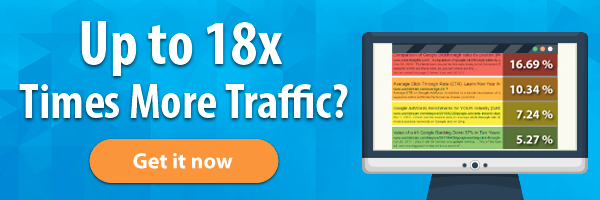
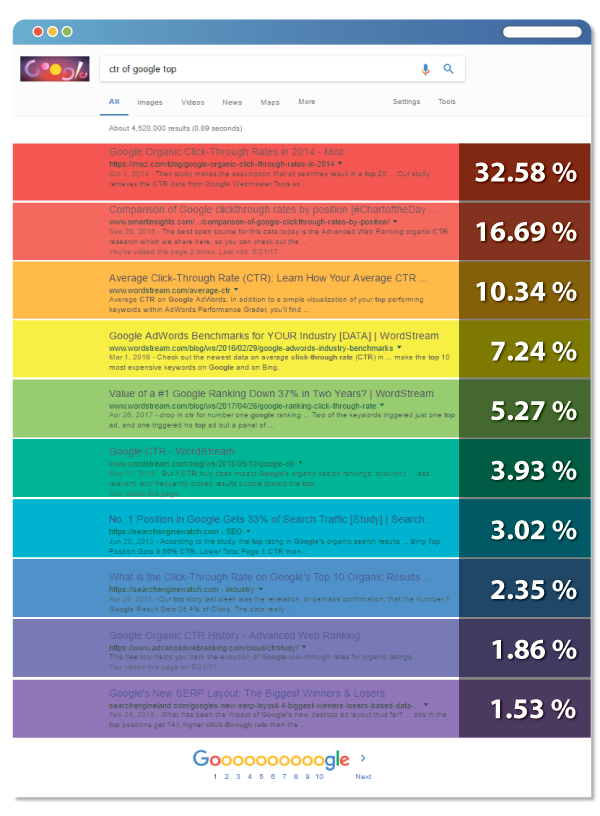
Do you know that Google’s #1 gets 32.58% of all organic traffic? This is 18x times more than #9 gets. It is clear that the more visitors you’ll get, the higher rankings and profit you’ll receive.
Let us show this in figures. According to the graph, #9 gets only 1,86% of organic traffic. So when you get to the Google’s top with the single keyword, you’ll get 1752% of traffic boost for that keyword. Suppose that this keyword brings you 200 visitors a month, then getting to the first position will bring you 3504 new visitors (200*17.52=3504). The important thing is that a smart SEO strategy will refine your results. And the proper backlinks will boost your traffic. Moreover, ROI for your link building campaign usually equals to 6 months.
This is how one of our customers has improved his website positions with our backlinks.
Danil Netu’s website ranking has increased within 2 months of link building campaign. Right after that he experienced 240% sales boost. So he has climbed to the Google’s #2 from the second page. And finally he has reached Google’s Top in 6 months! Find out more. Here are 3 easy steps you can do right away to increase your ranking:
This is a simple and effective way to improve your ranking and traffic. There is no time to spare!
|


 Use SEMrush to identify the most relevant high-volume keywords that are close to the first position. Or ask us and get a full research analysis of your keywords for $149! Just reply to this letter.

 Buy backlinks!
Influencer and Blogger Marketing Outreach Software | NinjaOutreach